Grab your electric van grant while you can
One benefit that’s managed to avoid the chop relates to electric vehicles. What’s available and how might it help if you’re in the market for a new commercial vehicle?
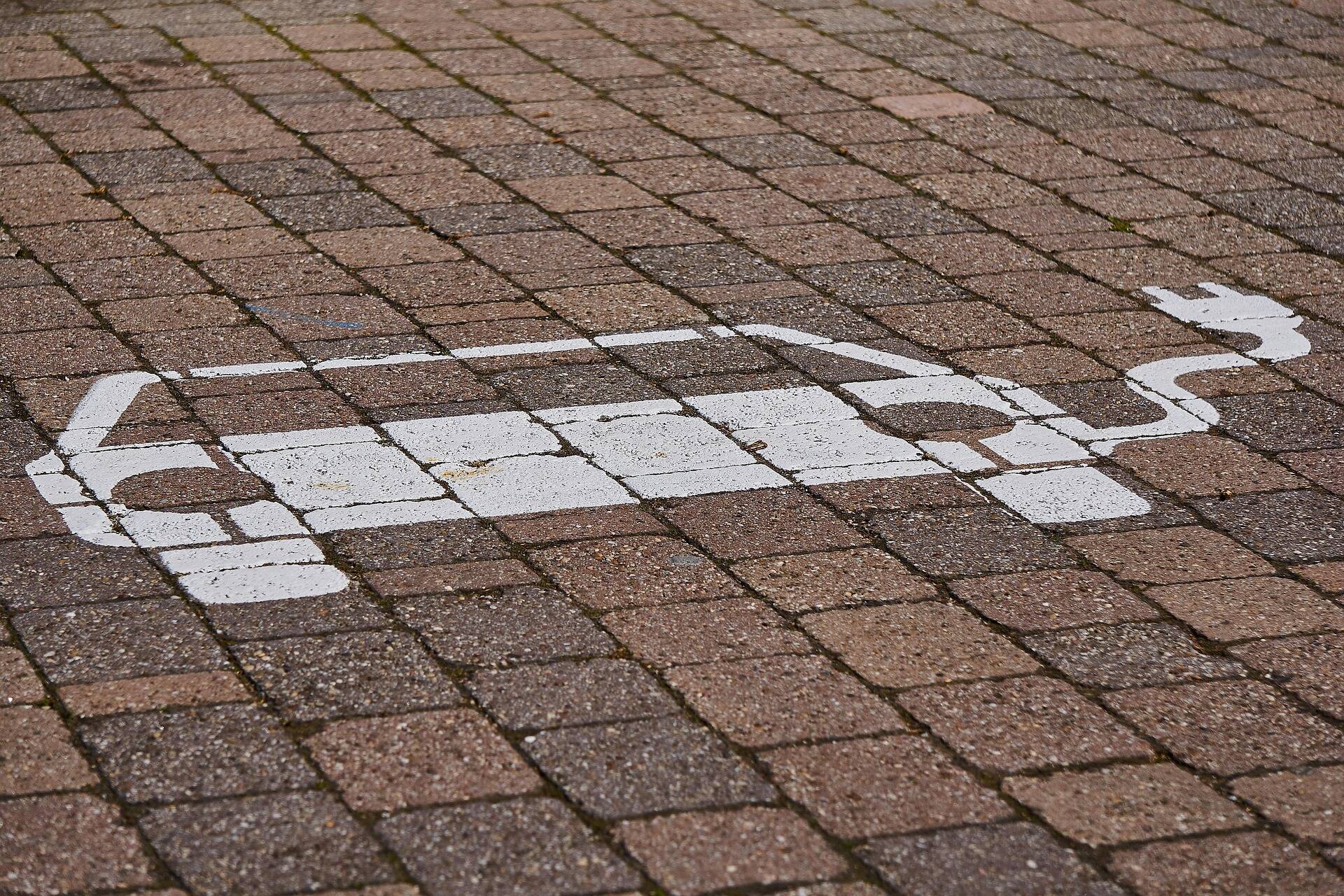
The government has announced that £120m is available to drivers, cabbies and businesses who want to make the switch to electric vehicles. The money comes through the “plug-in van grant”, which has been extended for another twelve months to April 2026. Under the 2024/2025 electric van grant rules, the maximum saving for 3.5-tonne electric vans is £5,000, while the maximum reduction for smaller vans up to 2.5-tonnes is £2,500. This will now be extended to 2025/26. Heavier electric vans such as those with 4.25-tonne ratings and N categorisation continue to qualify for the small truck grant, which offers an incentive of up to £16,000, capped at 20% of the purchase price.
To qualify for the plug-in grant the electrified van must now meet the following standards: 60 miles or more of zero emissions driving range; less than 50g/km CO2 emissions.The plug-in taxi grant, due to run out in April, has not been extended. However, grants of up to £4,000 for the purchase of zero emission cabs are being made available. This is less than the £6,000 available until March 31, 2025. A grant of £500 is available for those purchasing new electric motorbikes.
Related News
-
Mixing business travel with pleasure
Our subscriber’s employee is opening a new branch three hours away from home. The employee has asked if her husband can join her at the weekend while she visits. Does this private purpose mean that any part of the travel and accommodation expenses is taxable?
-
How should you rent out surplus space at your premises?
An increase in homeworking by your staff means you have surplus space in your office that could be rented out. Should you rent out a room or clearly defined area to tenants or let them use unoccupied rooms on an ad hoc basis?
-
What can you learn from HMRC’s input tax toolkit?
You know that penalties can be charged on careless errors and many mistakes relate to input tax being wrongly claimed. How can HMRC’s input tax guidance help your business to claim the right amount?